
Care Is Becoming America’s Strongest Form of Resistance
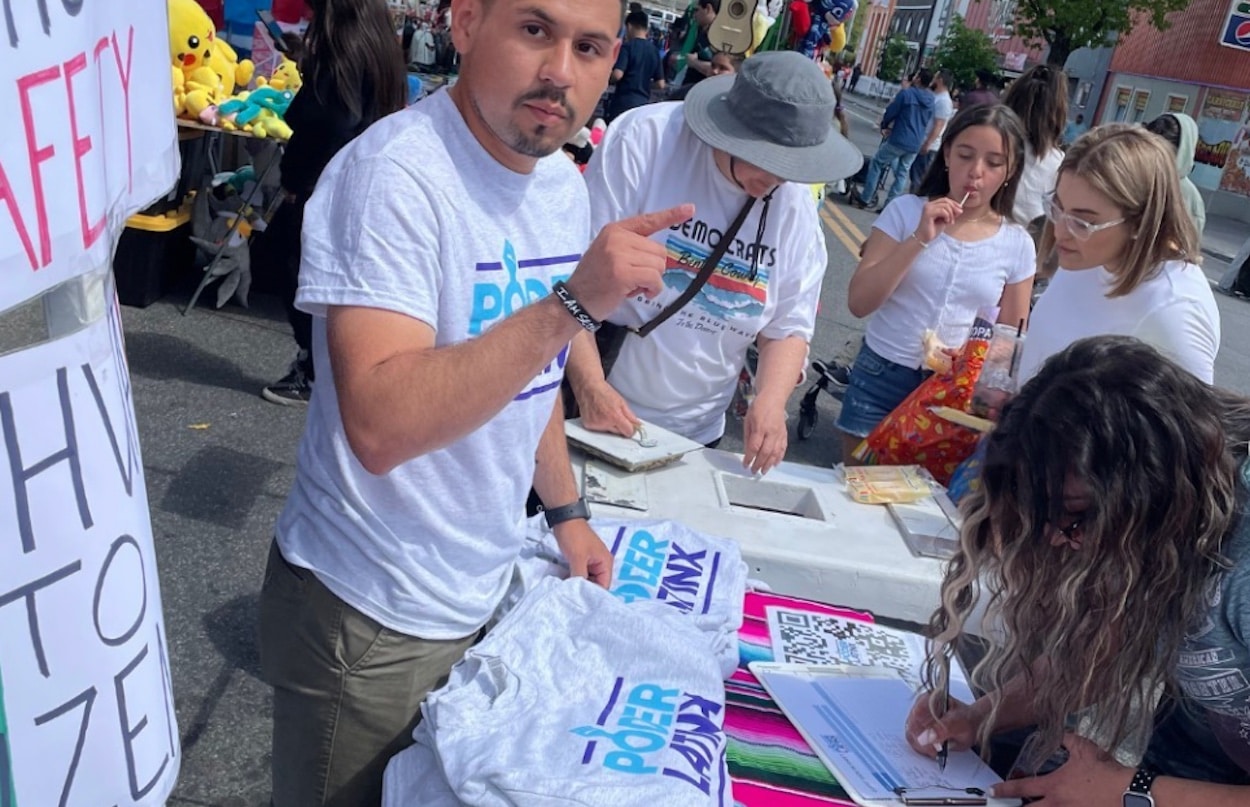
Care is not simply compassion—it is democratic infrastructure, giving people the time, stability and relationships they need to show up for one another and defend democracy.
By Gayle Goldin and Julie Kashen Originally published by Ms. Magazine
This midterm season, as courts and legislatures chip away at who gets to have a voice in our elections and governance, shoring up our democratic infrastructure is more important than ever. An unlikely tool in the arsenal of democracy? Care.
When Immigration and Customs Enforcement (ICE) raids intensified in Minnesota this year, fear spread through neighborhoods almost overnight. Families stopped going to work. Parents kept children home. Immigrant-owned businesses lost customers. Communities began retreating from public life.
Organizers responded quickly with a clear request. They asked people to care for one another.
Moms especially jumped in, providing rides to school, groceries delivered to families afraid to leave home, emergency rent assistance, child care, and meals. Neighbors checked in on each other. They created secure networks to communicate needs and organize responses.
They also reveal something much bigger. Minnesota is becoming a case study in what communities across the country are confronting as federal policies reshape daily life. While immigration enforcement may be the immediate catalyst there, the broader challenge extends well beyond one state or one issue. Across the country, federal actions are making families more economically insecure, weakening workers’ voices, and leaving communities increasingly isolated from one another.
It is no accident that women are at the center of this work to challenge the growing status quo. While caregiving—whether unpaid labor behind closed doors or undervalued paid care work—forms the connective tissue of our communities, it is often overlooked and performed in isolation. Too often, women experience the resulting pressures as personal failures rather than systemic public problems that leaves them feeling disenfranchised and unable to access power.
When people are consumed by trying to survive, they have less time to organize, volunteer, attend meetings, advocate for change, or even imagine that change is possible. That is why attacks on women’s economic security should concern everyone.
Recent federal actions—including cuts to childcare, public-sector employment, and workplace protections—are disproportionately pushing women out of the workforce. When women are forced to choose between caregiving and their careers, the cost is not just personal. It creates a domino effect: families lose critical income, communities lose leadership, and the country loses a key engine of economic growth and civic participation.
Economists and political scientists have long warned that widening income inequality erodes democratic institutions. Economic insecurity reduces civic engagement, weakens trust, and leaves people feeling powerless over the forces shaping their lives.
While federal policy creates these structural hurdles, the Minnesota model proves they are not insurmountable. But Minnesota offers another lesson. The same networks of care that help families survive also help communities organize. When people know one another through acts of mutual support, they build relationships that make collective action possible. They become more likely to solve problems together, advocate together, and defend one another when public institutions fall short.
Care is not simply compassion, it is democratic infrastructure. That infrastructure becomes even stronger when public policy helps meet people’s basic needs. Paid family and medical leave, affordable child care, paid sick days, and workplace protections do more than support individual families. They give people the time, stability, and financial security to participate in their communities, care for one another, and build the relationships that sustain democracy itself.
Minnesota’s response is inspiring people across the country. The lesson is not simply that neighbors should help neighbors, although they should. It is that societies are strongest when care is shared rather than privatized, when caregiving is supported rather than penalized, and when people have enough economic security to look beyond their own immediate survival.
The strongest defense against democratic erosion is not only found in courts, legislatures, or elections. It is found in communities where people still have the time, resources, and freedom to care for one another—and, together, to build something better. As the attacks on democracy heat up as Election Day nears, the strongest defense will be to continue showing up for one another.


